Te Noho Tahi: A Holistic Wellbeing Model for Connection and Care in Schools

In 2024, I was granted a national study sabbatical—a rare and precious opportunity for deep reflection and exploration after more than two decades in school leadership. It was during this time that the framework for Te Noho Tahi was born, but its roots go back much further.

For years, I’ve worked to create space within my school where people feel seen, heard, and valued. So when I encountered The Spaces for Listening model developed by Charlie Jones and Brigid Russell, it struck a chord. Their work names and validates what I had long been practising—making time for intentional connection, offering non-judgemental listening, and creating environments of psychological safety.

But it also surfaced a challenge I knew all too well. As a principal, I’m often the one holding space for others. And while that works when I have the emotional bandwidth, it falls apart the moment I become the one who needs support. When I’m overwhelmed or depleted, I can’t facilitate the very space I most need to step into. Jones and Russell’s solution—having two facilitators in every session—makes perfect sense. But for small schools like mine, it’s not a scalable solution.

In New Zealand, supervision in education is not widely used. I’ve been advocating for its adoption for nearly 20 years, because I’ve seen first-hand how transformational it can be. But it’s difficult to explain the value of something so deeply experiential to school boards and systems focused on measurable outcomes. The costs, too, can be prohibitive—especially for small rural schools where every dollar counts.

Te Noho Tahi was developed as our answer to this reality. It’s a holistic wellbeing framework embedded in the everyday culture of our school. It reflects the same values as Spaces for Listening—presence, empathy, trust—but it is designed to be sustained from within. It doesn’t require extra funding or specialised staff. It relies instead on rhythm, intention, and a shared commitment to humanising our school spaces.

For staff, Te Noho Tahi includes daily gatherings, built-in supervision options, and the integration of AI to reduce workload and protect time for presence. For our tamariki, it offers tiered, relational practices to help them connect, reflect, and regulate without pressure. These include whole-class connection sessions at the end of each day, small group check-ins for those needing extra support, and one-on-one moments of presence with a trusted adult. The tamariki model is playful, visual, and developmentally responsive—guided by a living metaphor of a classroom tree where children contribute their thoughts, feelings, and acts of kindness as leaves. It grows with them.

It’s not an ‘add-on’; it is the cultural heartbeat of our day.

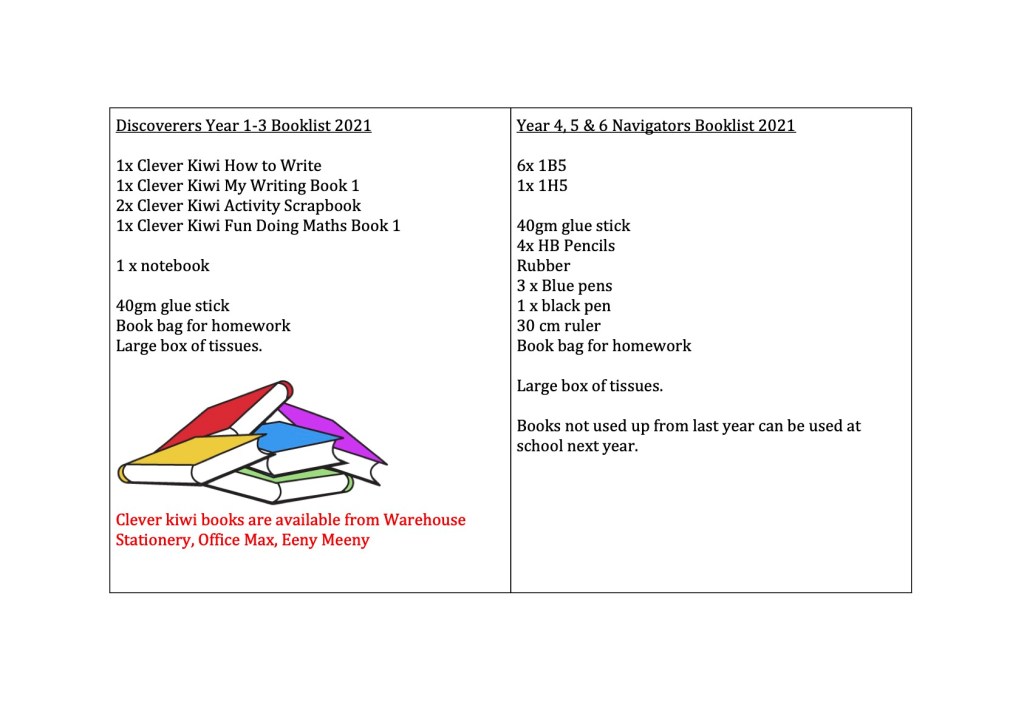
This model also allowed us to realise a long-held dream in 2024: making school entirely free for every student. By removing all financial barriers—including stationery, lunches, fruit, transport, uniforms, and camp fees—we reaffirmed our commitment to equity and belonging. No whānau should ever feel that school, or any part of the school experience, is unaffordable. Access to education should never come with a price tag that excludes.

Te Noho Tahi is our way of living these values daily. It’s not about adding more—it’s about making space for what matters. And when that space is held with care, courage, and consistency, it becomes transformational.

— Shannon McDougall, Principal, Tokoiti School
Healthy School Lunches – Milton

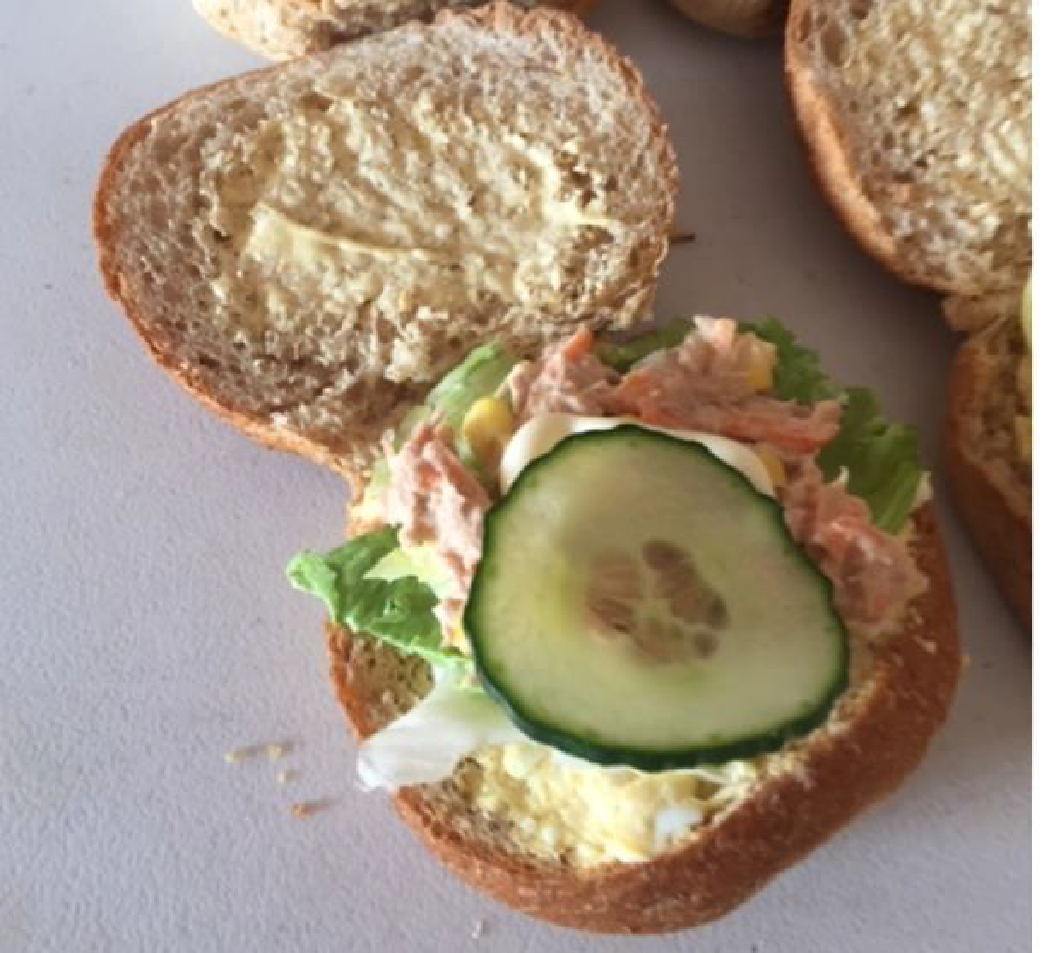
The Government has recently announced it will be expanding its programme to provide a free, healthy, daily school lunch to around 200,000 schools across the country.  All the Milton Schools have been invited to be part of the programme and we’re getting ready to take part in the Free and Healthy School Lunch Programme from next year.

The lunches will be available for all our students and will cater to the diet, health and cultural needs of our students. Right now, we are working with the Ministry of Education on the best way to meet our school’s needs.

If you’re a local business interested in becoming a pre-approved supplier of school lunches, you’ll need to sign-up for the Government Electronic Tender Service (GETS) at https://www.gets.govt.nz/.  All suppliers need to be able to meet New Zealand food safety standards and Ministry of Health nutritional guidelines. 

To find out more, email the Ministry of Education School Lunches team at school.lunches@education.govt.nz  

April 2 Covid-19 Update to Whānau

www.facebook.com/tokoitischool www.tokoiti.school.nz

Dear whānau  

As with all schools at the moment, Tokoiti School will be open for distance learning but not physically open for staff or Trekkers at the beginning of Term 2 on Wednesday, April 15th. 

We are experiencing an international health crisis of a magnitude unheralded in our lifetimes. It has the potential to change the way we live forever. To teach as we have in the past (although being online) would be to miss understanding the emotional and psychological impact of this crisis on our Trekkers and whānau.  

Some whānau are experiencing loss of employment; we are experiencing the stress of the whole family being underfoot day after day as well as struggling with the challenge of a changed world-of isolation and uncertainty.

We wish to infuse our home learning plans with our TREKKERS values, putting Kinship and Kindness at the very heart of what we are doing.  The number one goal of schooling currently is to nurture wellbeing. Just as we know the value of strong relationships for successful learning and teaching, we want to use this opportunity to help whānau nurture productive and supportive relationships in the home. We also wish to keep a sense of routine for our Trekkers to help them connect not only educationally with the staff, but socially with their peers.

In order to do this, we are looking at having six learning slots each school day, with reading writing and maths delivered online, and with other tasks being set for the rest of the day.

  1. 8am-9am
  2. 9am-10am
  3. 10:30am-11:30am 
  4. 11:30am-12:30pm
  5. 1pm-2pm
  6. 2pm-3pm

We are asking for you to choose 2 sessions on this form that your Trekkers will be working at the computer doing their reading, maths and writing tasks that will be set for them. Please fill out the form once for each of your Trekkers  We also are conscious of the time that the Trekkers are potentially going to be in front of their computers and we want to ensure that we have some time away from the screen.  In choosing the time that you feel will best suit your Trekker(s) please leave at least one session break for them. We will have a video meeting going for each session where the Trekkers for that session can come back to in order to seek assistance from the teaching staff.  The teaching staff will be meeting each day at 10am and will be out of contact during this time. At all times we are very aware that multiple stresses are impacting on whānau as well as our staff, please let us know if situations arise that may impact on your Trekkers ability to access their learning.  I am available via cellphone, WhatsApp email, the group chat, or Google hangouts.

Finally, this is an event that we have not faced in our lifetimes and we need to continue to work together as a community to support each other, be kind and get through this.  

Yours sincerely

Mr Shannon McDougall

Principal

Tokoiti School

020 4016 2811